
Battery Storage Solutions
What is Retro-commissioning (RCx)?
Retro-commissioning (RCx) is a systematic process of evaluating, testing, and optimizing the performance of existing building systems. It focuses on identifying inefficiencies, correcting operational issues, and enhancing overall system performance. The outcome: lower energy consumption, reduced operational costs, and improved indoor air quality.
RCx is commonly implemented in large facilities such as office buildings, hospitals, and schools, but is increasingly adopted in smaller properties as well. As energy efficiency becomes a priority, RCx offers a practical solution for both public and private building owners.
- Optimize building systems
- Reduce energy costs
- Enhance occupant comfort
- Boost property value
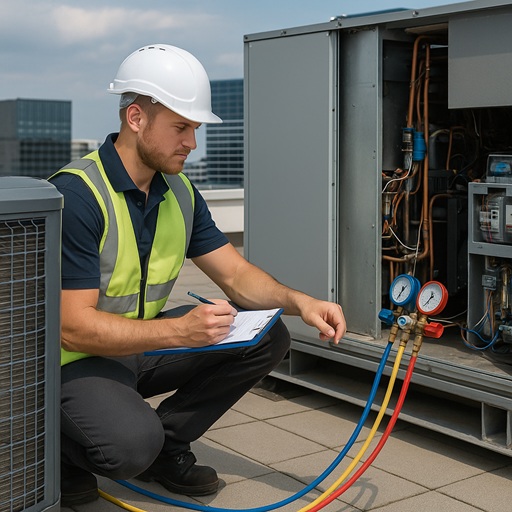
Large Private and Public Building Opportunities
Retro-commissioning (RCx) presents a high-impact opportunity for large commercial, institutional, and government buildings to reduce energy waste, cut operating costs, and enhance system performance without major capital investment. From office towers and hospitals to schools and municipal buildings, many aging systems operate inefficiently—driving up utility bills and reducing occupant comfort. RCx helps owners and operators identify hidden inefficiencies, correct operational drift, and create healthier, more efficient indoor environments. With growing pressure to meet sustainability goals and control budgets, RCx is an accessible strategy that pays for itself through measurable savings and long-term building value.
Unlock Hidden Savings
Large buildings often conceal costly inefficiencies in HVAC, lighting, and control systems. RCx brings these issues to light by analyzing actual building performance data, not just design intent. By recalibrating systems, improving controls, and fixing overlooked issues, building operators can uncover thousands in annual savings. This low-cost approach delivers rapid ROI and doesn’t require expensive equipment upgrades—just smart optimization of what’s already in place.
Support Sustainability Goals
Public and private institutions are under growing pressure to reduce their carbon footprint. RCx is a practical and cost-effective way to lower emissions and energy usage. By targeting existing inefficiencies, organizations can meet ESG objectives, qualify for utility incentives, and demonstrate commitment to climate responsibility—all while maintaining operational excellence.
Increase Asset Value and Operational Resilience
By integrating battery storage with renewable energy sources like solar or wind, organizations can also unlock the full potential of clean power. Storing excess generation enables the use of clean energy whenever it’s needed most, maximizing renewable investment returns and further decreasing reliance on the grid.
Enhance Occupant Experience Resilience
Comfort, air quality, and consistency in temperature directly impact productivity, health, and satisfaction. RCx improves these outcomes by ensuring systems perform as intended—balancing airflow, reducing hot and cold spots, and enhancing ventilation. For schools, hospitals, and offices alike, a better indoor environment improves both occupant well-being and building reputation.
The RCx Process
Building Assessment
The process begins with a comprehensive evaluation of the building’s energy use, water consumption, and indoor air quality. This step identifies malfunctioning equipment, inefficient controls, and potential opportunities for improvement.
System Testing
Mechanical and electrical systems—including HVAC, plumbing, and controls—are tested to determine their performance. Measurements may include airflow, temperature, pressure, and water flow.
System Adjustment
Based on testing results, systems are recalibrated or adjusted to optimize efficiency. This can include reprogramming controls, repairing components, or replacing faulty equipment.
Documentation
All findings, adjustments, and recommendations are documented. This provides a clear roadmap for future improvements and helps track energy and cost savings over time.
Benefits of RCx
Energy Savings: Identifying and correcting inefficiencies can significantly reduce energy usage and utility costs.
Lower Operating Costs: Optimized systems require less maintenance and fewer repairs.
Improved Indoor Air Quality: Upgrades and adjustments can enhance ventilation and air filtration.
Enhanced Occupant Comfort: Efficient systems help maintain consistent temperatures and air quality.
Increased Property Value: A well-commissioned building is more attractive to tenants and buyers, often commanding higher rental or sale value.
Considerations Before Starting RCx
Choose the Right Partner: Work with an experienced RCx firm that understands large building systems and has a track record of successful projects.
Plan for Investment: While RCx requires time and financial commitment, the long-term benefits outweigh the upfront effort.
Be Patient: The RCx process may take several months, but its lasting impact on energy efficiency and building performance makes it a worthwhile endeavor.
FAQ's
RCx is the process of evaluating and optimizing the performance of existing building systems—such as HVAC, lighting, and controls—to improve efficiency, reduce energy use, and enhance occupant comfort.
While commissioning is done during a building’s construction, RCx focuses on existing buildings that may have never been commissioned or have developed inefficiencies over time.
RCx is ideal for large commercial, institutional, or industrial buildings—like offices, hospitals, and schools—but can also be valuable for smaller buildings looking to reduce energy costs and improve operations.
RCx includes four main steps: Assessment: Analyzing energy use and system performance Testing: Verifying system functionality Adjustment: Correcting and optimizing operations Documentation: Recording changes and improvements
Reduced energy and utility costs Lower maintenance expenses Improved indoor air quality Increased occupant comfort Enhanced equipment performance and lifespan
Depending on building size and complexity, RCx can take several weeks to a few months. The investment of time is offset by long-term savings and performance improvements.
While RCx is typically a one-time event, it often leads to the implementation of continuous commissioning practices. Regular monitoring ensures that performance gains are maintained over time.
Unlock Hidden Efficiencies in Your Building
Optimize Performance and Cut Costs
It’s time to take control of your building’s energy use. With RCx, we help you identify inefficiencies, improve operations, and deliver measurable savings—without costly upgrades.